


The idea distilled…
Australians aren’t chasing peak health anymore. For years, the health and wellness category has been built on transformation. Faster. Fitter. Better. But that model is starting to crack under real-world pressure. Time, money, and mental load are forcing a reset. What’s replacing it is simpler, and far more powerful.
Australians are shifting from optimisation to maintenance. Big overhauls aren’t as attractive as they used to be, As Aussies turn to focus on habits they can actually keep. Health is no longer about becoming your best self, it’s about feeling well enough, consistently. That tension, between what the industry pushes and what people can sustain, is now defining the category.
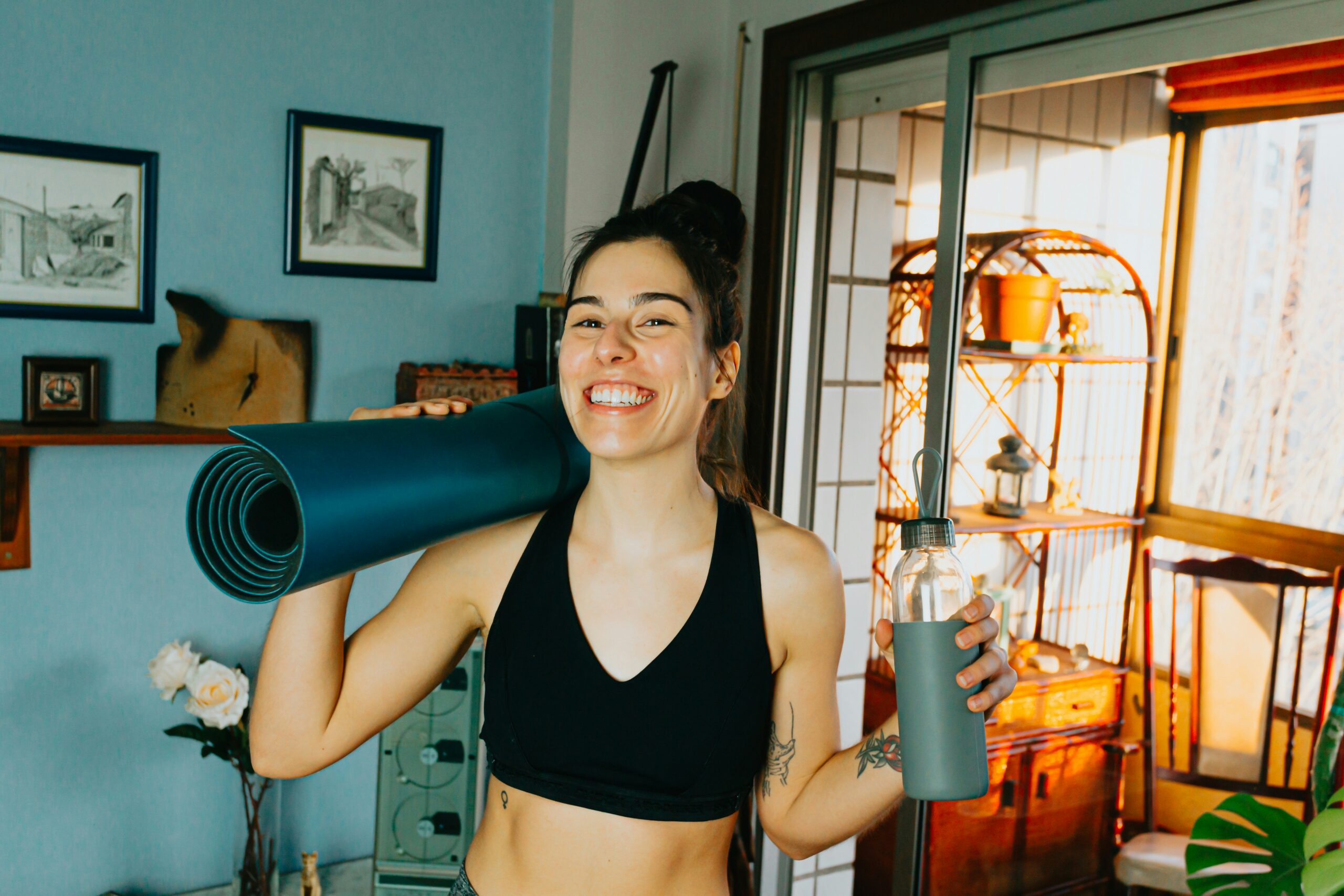
The 4 R’s of the new reality
As the era of maximisation gives way to a deliberate stripping back, we are seeing the emergence of the 4 R’s of the new reality. Four foundational shifts that define how Australians are now choosing to live:
Redefining success: from external metrics to internal happiness.
Reclaiming autonomy: From following rules to leading yourself.
Regrounding foundations: From lifestyle trends to foundational tools.
Redesigning actions: from expensive habits to sustainable rituals.
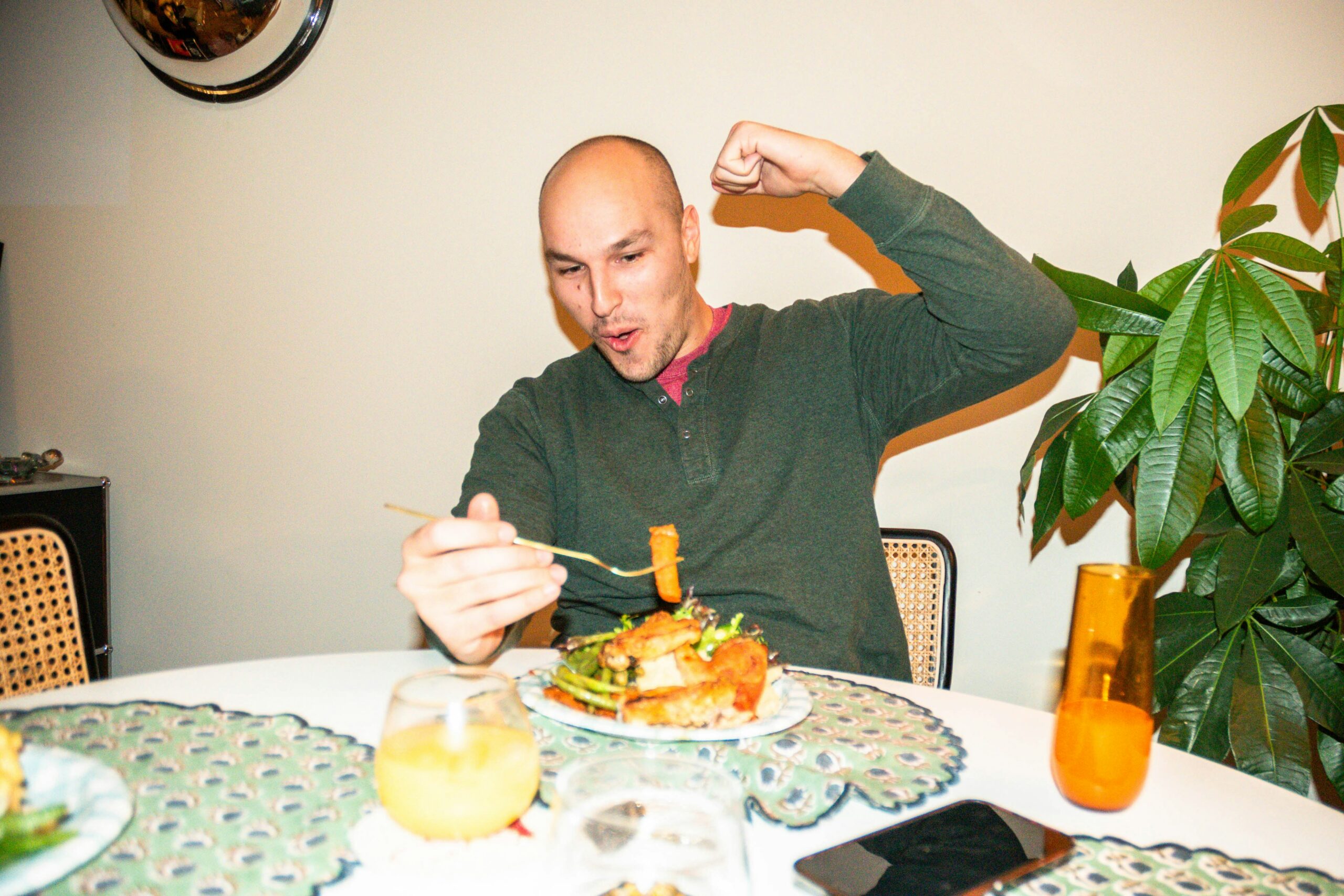
What this means in reality…
Of Australians say their health would improve if they ate better, up +22% since last year, but the barrier isn’t awareness, it’s making it stick.
“To be happy” now outranks “weight loss” as the nation’s top health goal, signalling a move away from outcome chasing toward how people want to feel day to day.
And Australians are taking the lead. 3 in 4 feel confident managing their own wellbeing, with personal research now outweighing professional advice.
If nothing else, three things to fuel your growth
Stop selling transformation and start enabling momentum.
65% of Australians aren’t chasing radical change, they’re looking for something they can maintain. Growth comes from helping people keep going, not pushing them to overhaul their lives.
Design for real life.
Time, money and mental load are reshaping behaviour. The brands that win will remove friction, simplify choices, and fit into the reality people are navigating every day.
Redefine what progress looks like.
Health is no longer measured by extremes or end states. It’s built through small, repeatable actions that create confidence, control and a sense of moving forward.
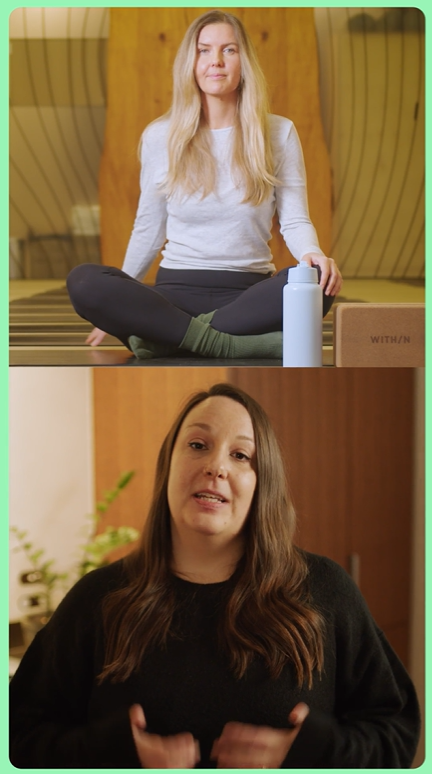
Who are the sustainers audience?
Beth and Flick, the researchers who led this work, are both part of the sustainer majority, and this video explains how that shows up for them in different ways. Download the report now to learn not just what the data says, but what it means for everyday Australians – like us!