

The idea distilled
Gaming is being asked to deliver more than play. With Australians now spending more on games than streaming and music combined, it has become one of the most powerful forces in everyday cultural life, not a niche hobby, but a household habit woven into how people relax, connect and define themselves.
The challenge is that the assumptions built around how and why people play are still catching up to the reality. The audiences are more varied, the motivations more layered, and the barriers more specific than conventional wisdom suggests.
And there are three things worth rethinking…
#1 Rethinking what makes gaming social
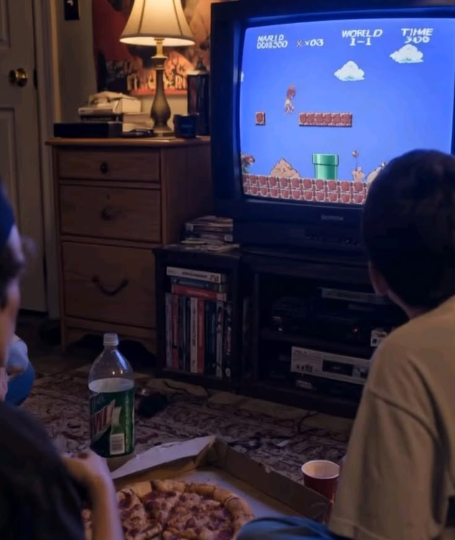
Co-play opens the door, but conversation is the real engine. Social value, gamer identity and discovery all live in the discourse around the game, not the session itself.
Australians talk about games over 3.5x more than they actually play them together.
And only 12% cite sharing a moment with others as a reason to play at all.
Yet 70% say gaming communities and conversation directly support their social well-being.
#2 Rethinking the friction
The real barrier isn’t too much choice, it’s not knowing whether the commitment is worth it before you’ve already paid the cost.
Commitment is 2.3x more likely to be a barrier than the catalogue.
61% of Australians have a clear idea of what they want to play before they open a platform.
46% of players have experienced financial detriment from gaming: overspending, accidental purchases or feeling pressured into a buy.
Reframe the assumptions, and three opportunities emerge:
1. Fuel the conversation with purpose
Look beyond reach and engagement to support and enable the conversations that drive real social value, identity and belonging.
2. Own the moment of doubt
Become the authority voice that steadies the decision before players make it, consolidating the scattered signals of reviews, trends and word of mouth into something they can trust.
3. Build on the moments that matter
Earn a standing invite by helping gaming rituals become memorable, from the family co-play session to the adult social catchup, where positive associations form and last.